Top 10 Electromagnetic Flow Meters in China for Accurate Measurement?
Choosing the right electromagnetic flow meter is critical for achieving accurate measurements in various industries. These devices are essential for monitoring the flow of conductive liquids. Their reliability and precision provide significant advantages in processes such as water treatment and chemical manufacturing.
In China, the market for electromagnetic flow meters has grown rapidly. There are many options available, each designed to meet specific needs. However, not all flow meters are created equal. Some models excel in high-pressure situations, while others are better suited for corrosive materials. Understanding these distinctions is vital for making informed decisions.
As the demand for precision instruments rises, it is important to consider both performance and cost-effectiveness. While some may tempt users with lower prices, they might compromise on quality. Evaluating the longevity and accuracy of these meters can lead to better long-term investments. A well-chosen electromagnetic flow meter contributes to the efficiency and safety of operations, ultimately reflecting a company's commitment to excellence.
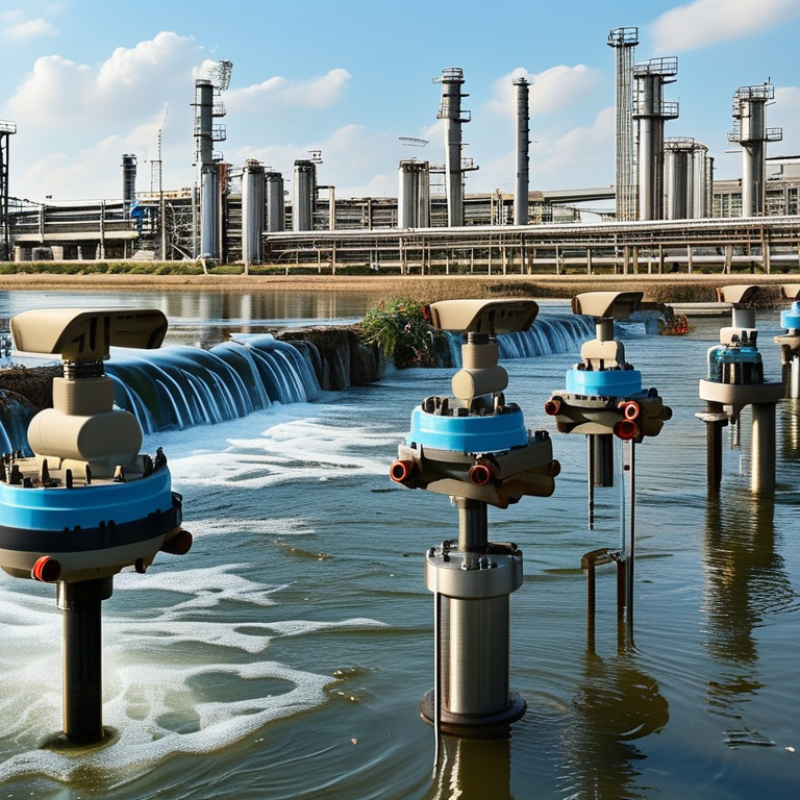
Overview of Electromagnetic Flow Meter Technology and Principles
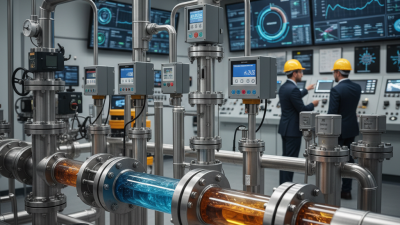
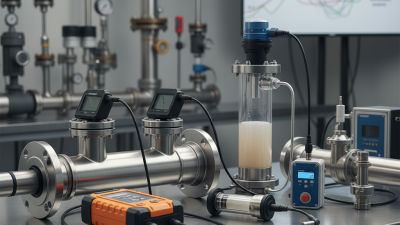
Electromagnetic flow meters (EMF) utilize Faraday's law of electromagnetic induction to measure the flow of conductive liquids. These devices create a magnetic field around the flow tube. As the fluid moves through this field, it generates a voltage that correlates with its flow rate. This technology is robust and suitable for various applications, such as water treatment and chemical processing.
EMF technology offers several advantages. It provides accurate measurements with minimal pressure drop. This is especially important in systems where maintaining flow pressure is critical. However, challenges exist. EMF can only measure conductive fluids, limiting its applicability. Additionally, maintaining calibration and ensuring proper installation is essential for reliable results. Any disturbances or obstructions can impact readings.
A significant advantage of electromagnetic flow meters is their durability. They often have long service lives, which can be cost-effective in the long run. However, operators must remember that external factors, such as temperature variations, may affect performance. Regular maintenance and monitoring are key to achieving optimal accuracy. This emphasizes the importance of understanding both the technology and the specific conditions in which the flow meter operates.
Key Features and Criteria for Choosing Electromagnetic Flow Meters
When selecting an electromagnetic flow meter, focus on key features.
Accuracy is paramount. The best meters provide precise measurements across various flow rates.
Check the meter's calibration standards. A well-calibrated device ensures reliable performance in diverse applications.
The construction material matters too. Choose a flow meter built with durable materials, especially for corrosive liquids.
Consider the size and installation requirements. Some electromagnetic flow meters come in various pipe sizes. This versatility can be a game changer for different systems.
Power consumption is another aspect. Efficient models can save long-term operational costs.
Look for user-friendly interfaces. A simple display improves data accessibility and ease of use.
Don't overlook maintenance needs. Some meters require more upkeep than others. Regular checks can help maintain accuracy.
Think about the warranty and support services too. A good warranty can protect your investment. These considerations are essential for making an informed choice,
leading to better long-term results. Making the right decision can feel challenging, but understanding these criteria is crucial.
Top 10 Electromagnetic Flow Meters Available in China
When it comes to flow measurement technology,
electromagnetic flow meters stand out for their accuracy and reliability.
In China, multiple options are available, catering to diverse industrial needs.
These devices work on the principle of Faraday’s Law.
They measure the voltage generated when a conductive fluid passes through a magnetic field.
This principle allows for precise flow rate calculations, even in varying conditions.
Choosing the right flow meter is crucial for efficient operations.
Key features to consider include the meter's chemical compatibility,
pressure rating, and temperature limits.
Each application demands specific considerations, such as fluid characteristics and
installation constraints. It's not just about picking a model;
it's about understanding the operational environment as well.
Despite their technological advantages, there are some challenges.
Calibration can be complicated, requiring expert involvement. Additionally,
installation might pose difficulties in certain settings.
Maintaining accuracy over time can also be a concern.
Regular checks and re-calibrations are necessary to ensure continued performance.
Therefore, careful attention to both selection and maintenance is vital in leveraging
the full potential of electromagnetic flow meters.
Comparison of Accuracy and Performance Among Leading Brands
When choosing electromagnetic flow meters in China, accuracy and performance should be a priority. Various metrics play a role in evaluating their effectiveness. Accuracy is determined by several factors such as fluid type, temperature, and flow range. A meter that performs well in one condition may not in another. Testing different brands under real-world conditions can provide insights into their reliability.
Tips: Always check calibration data before use. Regular maintenance helps maintain accuracy.
Further, different applications require specific performance characteristics. Some meters excel in low flow measurements, while others thrive in high flow scenarios. Considering the material compatibility with the fluid is crucial as well. Each meter design might have strengths and weaknesses that can significantly affect measurements.
Tips: Understand the application requirements clearly. Evaluate past performance records of similar models.
Understanding these factors ensures you select the right meter that reliably meets your needs. Ongoing research and comparison will reveal new technologies and improvements in the field, setting benchmarks for future developments. Accuracy must be preserved, so periodic reviews of flow meter performance are essential.
Top 10 Electromagnetic Flow Meters in China for Accurate Measurement
This chart compares the accuracy (in percentage) and performance (in measurement range) of the top 10 electromagnetic flow meters in China. The data represents the hypothetical specifications of various models without disclosing any brand names.
Applications and Industries Utilizing Electromagnetic Flow Meters in China
Electromagnetic flow meters have become essential in various industries across China. These devices are pivotal in sectors such as water treatment, chemical processing, and food production. According to recent industry reports, the demand for accurate flow measurement has surged, particularly in wastewater treatment facilities. The ability to measure conductive liquids without obstruction makes electromagnetic flow meters an effective choice.
In the chemical industry, these meters help monitor corrosive and viscous fluids. A study highlighted that electromagnetic flow meters improve efficiency by reducing maintenance needs. However, improper installation can lead to erroneous readings, impacting process reliability. This emphasizes the need for skilled technicians during setup.
In the food and beverage sector, hygiene is paramount. The ability of electromagnetic flow meters to ensure clean and accurate measurements supports strict safety standards. Reportedly, this technology accounts for 30% of the market share in flow measurement devices in China. Nevertheless, users must regularly calibrate these meters, ensuring consistent performance. Such attention to detail can prevent costly errors and maintain quality standards.